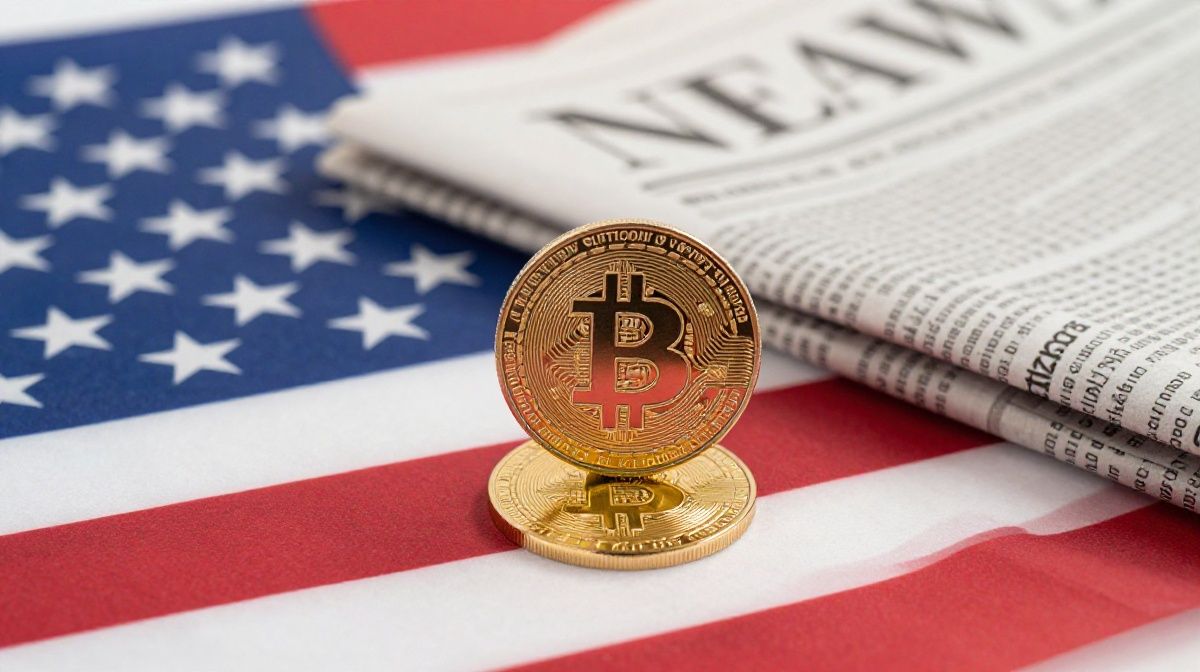

A Bitcoin whale address, dormant for over two years, suddenly transferred 141.26 $BTCworth approximately $11.16 million, to the Kraken exchange. Onchain Lens first reported the deal. Deposits to exchanges usually indicate an intention to sell. This move raises immediate questions about market impact and whale behavior.
Bitcoin whale activity: a dormant address reappears
Onchain Lens marked the transaction on March 15, 2025. The wallet has not moved funds since early 2023. The sudden deposit to Kraken represents a significant transfer. Analysts view such moves as potential precursors to a sell-off. The whale originally accumulated these coins during the 2021 bull run. The current transfer price indicates a significant profit margin.
Whale watchers follow these movements closely. Large deposits to exchanges often create downward pressure on Bitcoin’s price. The market reacts to perceived selling pressure. This event comes amid broader market uncertainty. Bitcoin is trading near $79,000 at the time of the deposit. The timing adds to existing volatility.
Why do whales deposit at exchanges?
Exchanges act as liquidity centers. Depositing funds to an exchange usually precedes a trade. Whales can sell to realize profits or rebalance portfolios. Some whales use exchanges for over-the-counter (OTC) transactions. OTC transactions avoid the movement of the public order book. However, public deposits continue to influence sentiment.
Profit taking: The whale probably bought $BTC at lower prices. The current price offers a profitable exit. Risk management: Holding large amounts in self-custody involves operational risk. Moving to an exchange reduces that risk. Market Manipulation: Some whales deposit to create fear, then buy back at lower prices.
This particular whale’s history remains unclear. Onchain data shows no previous large deposits. The two-year dormancy indicates a long-term holder. Long-term holders rarely move coins without reason.
Market Impact: What Does This Mean for Bitcoin Price?
Immediate market reactions vary. The $BTC price dropped 0.8% within hours of the reported deposit. However, correlation does not prove causation. Other factors, such as macroeconomic news, also affect price. The broader crypto market is showing mixed signals. Altcoins like Ethereum and Solana remain stable.
Historical patterns show that single whale depositions rarely cause prolonged downward trends. The market absorbs large orders over time. Institutional liquidity now dwarfs individual whale movements. However, psychological impact remains strong. Retailers often panic when they see whale activity.
Expert analysis: Whale behavior in 2025
Blockchain analytics firm Glassnode notes that whale transaction volumes will increase in 2025. The number of active addresses has more than 1,000 $BTC rose 12% this quarter. This indicates accumulation, not distribution. The Kraken deposit may be an outlier.
“Whales are not a monolithic group,” says cryptoanalyst Maria Torres. “Some take profits, others accumulate. One deposit does not define a trend.” Torres points to onchain data showing that net outflows from exchanges remain positive. More $BTC leaving exchanges as it enters. This indicates long-term holding sentiment.
Timeline of key events
The following timeline contextualizes the whale’s activity:
2021: Whale collects 141.26 $BTC during the bull run. Average purchase price estimated at $45,000. 2023: Wallet goes dormant. No transactions for two years. March 15, 2025: Walvis moves the entire balance to Kraken in a single transaction. March 16, 2025: $BTC price falls 0.8%. Market watches for further movement.
The whale didn’t have the sale $BTC yet. The deposit remains on Kraken’s hot wallet. If the whale sells, it can happen via OTC or limit orders. A market selloff will cause immediate slippage.
How exchanges handle large deposits
Kraken, a US-based exchange, processes large deposits with specialized systems. The exchange offers OTC desks for trading over $100,000. Kraken’s liquidity depth allows it to absorb $11 million without major price impact. The exchange also uses cold storage for most client funds. The deposited $BTC probably moved to a cold wallet for security.
Other exchanges, such as Binance and Coinbase, have similar protocols. Large deposits trigger internal alerts. Compliance teams monitor for suspicious activity. This particular deposit shows no red flags. The wallet’s history is clean.
Broader implications for crypto markets
Whale activity often precedes major market moves. The 2024 bull run had multiple whale deposits before price corrections. However, the current market structure is different. Institutional investors now dominate trading volumes. Spot Bitcoin ETFs hold more than 1 million $BTC jointly. Individual whales have less relative influence.
Regulatory developments also shape whale behavior. The SEC’s approval of spot ETFs in 2024 provided a regulated exit route. Whales can now sell through ETFs without moving coins to exchanges. The Kraken deposit suggests that the whale prefers direct barter.
Data-backed insights
Onchain statistics provide context:
Exchange inflow increase: Kraken has a 15% increase in $BTC inflow on 15 March. Consumed Output Profit Ratio (SOPR): The whale’s SOPR indicates a profit of 75% on the deposit. Miner after exchange flow: Miners also increased deposits by 8% this week.
These data points indicate a broader trend of profit taking. The whale is not alone. However, the overall market remains resilient. Bitcoin’s hash rate has reached an all-time high this month. Network fundamentals remain strong.
Deduction
The deposit of $11.16 million in $BTC by a dormant Bitcoin whale to Kraken highlights continued profit-taking among long-term holders. While the move creates short-term selling pressure, the broader market is showing signs of accumulation. Investors should monitor chain data for further whale movements. The event highlights the importance of tracking large trades for market sentiment analysis.
Frequently Asked Questions
Q1: What is a Bitcoin Whale? A Bitcoin whale is an entity that holds a large amount of $BTCtypically over 1,000 coins. Their trades can affect market prices.
Q2: Why did the whale dump $BTC to Kraken? The most likely reason is to sell the $BTC for profit. However, the whale can also use Kraken for OTC trading or custody services.
Q3: Will this deposit crash the Bitcoin price? Unlikely. A single deposit of $11 million is absorbable by Kraken’s liquidity. The broader market’s daily volume exceeds $20 billion.
Q4: How can I track whale movements? Use onchain analytics platforms such as Onchain Lens, Glassnode or Whale Alert. These tools monitor large transactions in real time.
Q5: Is it safe to buy Bitcoin after a whale deposit? Whale deposits create short-term uncertainty but do not guarantee a price drop. Focus on long-term fundamentals rather than single transactions.
Disclaimer for Uncirculars, with a Touch of Personality:
While we love diving into the exciting world of crypto here at Uncirculars, remember that this post, and all our content, is purely for your information and exploration. Think of it as your crypto compass, pointing you in the right direction to do your own research and make informed decisions.
No legal, tax, investment, or financial advice should be inferred from these pixels. We’re not fortune tellers or stockbrokers, just passionate crypto enthusiasts sharing our knowledge.
And just like that rollercoaster ride in your favorite DeFi protocol, past performance isn’t a guarantee of future thrills. The value of crypto assets can be as unpredictable as a moon landing, so buckle up and do your due diligence before taking the plunge.
Ultimately, any crypto adventure you embark on is yours alone. We’re just happy to be your crypto companion, cheering you on from the sidelines (and maybe sharing some snacks along the way). So research, explore, and remember, with a little knowledge and a lot of curiosity, you can navigate the crypto cosmos like a pro!
UnCirculars – Cutting through the noise, delivering unbiased crypto news