

BitcoinWorld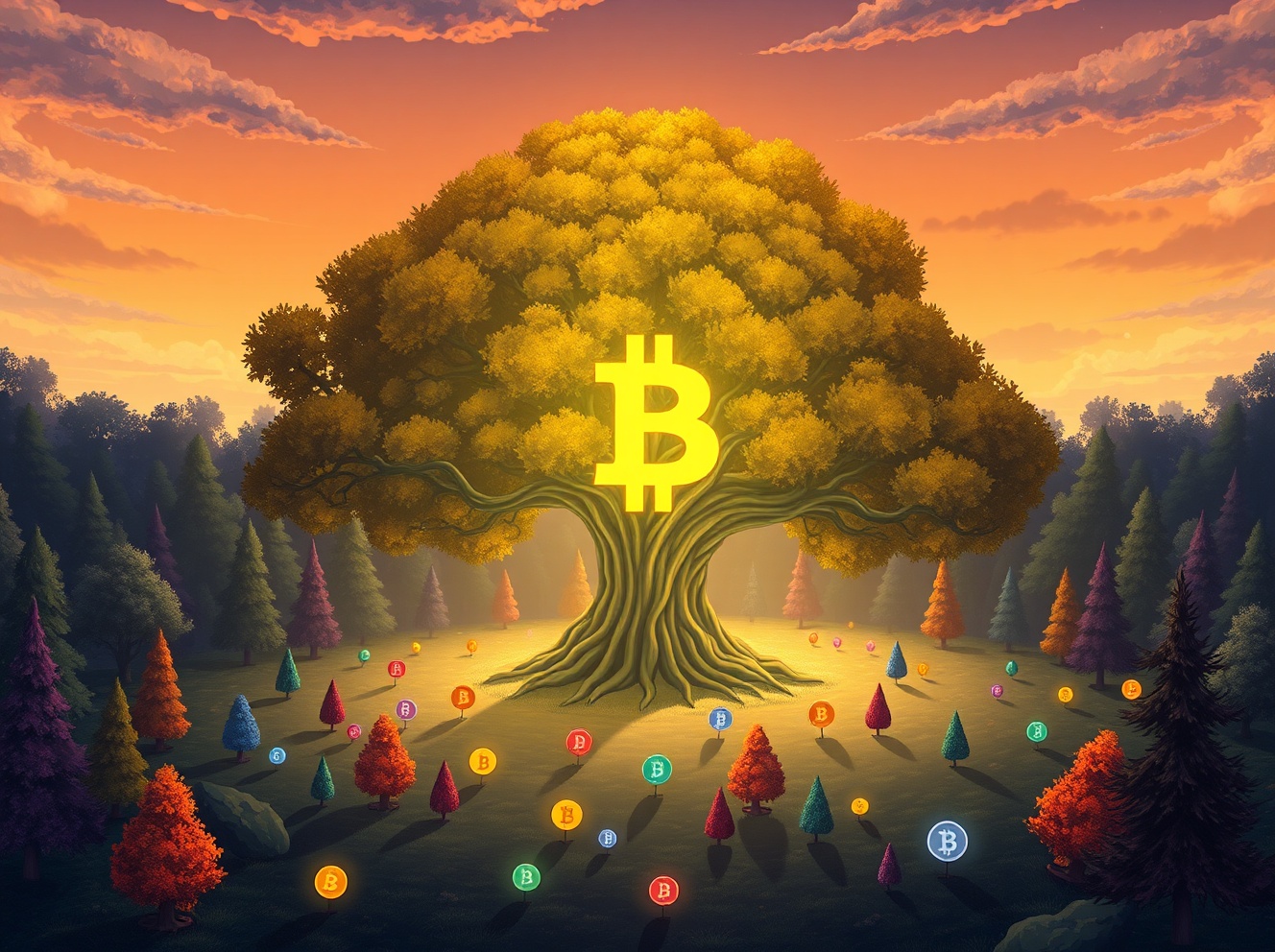 Altcoin seasonal index reveals Stark 27 score, indicating Bitcoin’s powerful dominance
Global cryptocurrency markets are currently showing a clear preference for the native digital asset, as evidenced by a critical on-chain metric. The Altcoin Season Index, a widely monitored measure from CoinMarketCap, registered a score of just 27, indicating a period of pronounced Bitcoin dominance. This reading, captured in the first quarter of 2025, provides a data-driven snapshot of relative performance trends across the top 100 digital assets. As a result, investors and analysts examine this figure to understand the underlying market structure and potential capital rotation patterns.
Decoding the Altcoin Season Index Score of 27
CoinMarketCap’s Altcoin Season Index serves as a quantitative measure of market cycles. The platform calculates this metric by analyzing the 90-day price performance of the top 100 cryptocurrencies by market capitalization, intentionally excluding stablecoins and wrapped tokens. The core comparison pits these assets against Bitcoin’s performance over the same period. A formal “altcoin season” is only declared when 75% of these top coins outperform Bitcoin, corresponding to an index score of 75 or higher. Therefore, the current score of 27 is well below this threshold. This low value indicates that a significant majority of the major altcoins have underperformed Bitcoin in recent months, reinforcing Bitcoin’s status as the market leader.
Market analysts often refer to historical data for context. For example, previous bull cycles saw the index rise above 75 for sustained periods, often coinciding with massive capital inflows into smaller-cap projects. The current subdued reading indicates a more cautious or concentrated market environment. Several factors may contribute to this dynamic, including macroeconomic uncertainty, regulatory developments favoring more established assets, or a maturing phase where investors seek perceived safety. This measure therefore serves not as a predictor, but as a confirmation of existing trends, and provides a neutral lens through which to view market sentiment.
UnderstandingBitcoin Dominance in Current Market Conditions
The low Altcoin Season Index score directly correlates with a high Bitcoin dominance rate. Bitcoin dominance measures Bitcoin’s share of the total market capitalization of cryptocurrencies. When the index is low, dominance typically increases or increases as capital consolidates within the flagship cryptocurrency. This phase often follows major market corrections or precedes significant macroeconomic announcements, where investors exhibit a “flight to quality” mentality within the digital asset space. Historical analysis shows that periods of high Bitcoin dominance can last for months before finally giving way to altcoin rallies.
Furthermore, this environment impacts trading strategies and portfolio allocations. Seasoned traders monitor this index along with other chain signals, such as exchange flow and network activity. The persistently low score suggests that speculative energy is not widely distributed across alternative cryptocurrencies for the time being. Instead, it remains focused on Bitcoin and possibly a handful of the largest, most liquid altcoins. This creates a divided market where narrative-driven altcoin pumps are less frequent and sustained compared to periods when the index reads above 75. The data underline a period of consolidation and selectivity.
Expert analysis on market cycle positioning
Financial researchers emphasize that the Altcoin Season Index is a lagging indicator, confirming trends that are already underway. Its utility lies in the validation of broader market phase hypotheses. A score of 27 puts the market firmly in what analysts call a “Bitcoin-centric” or “accumulation” phase for altcoins. During such phases, fundamental development often continues unabated on altcoin networks, even as price action remains muted relative to Bitcoin. This can set the stage for future rotations, as projects that build utility during quiet periods can gain attention when sentiment shifts. The index therefore provides a crucial control point for assessing risk appetite and the maturity of the current market cycle.
The Mechanics and History of the Altcoin Season Metric
The methodology behind the index is simple but powerful. By focusing on a 90-day window, it smoothes out short-term volatility and captures medium-term trends. Excluding stablecoins and wrapped tokens is critical, as their pegged nature will distort performance comparisons. The top 100 by market capitalization ensures that the benchmark reflects the movement of significant, investable assets rather than micro-cap projects. This basket changes over time, reflecting the evolving landscape of the cryptocurrency sector.
Remarkable historical readings provide perspective. The index famously approached 100 during the late 2017 and early 2021 market peaks, periods marked by explosive altcoin gains. Conversely, readings deep in bear markets often hover near zero, indicating almost universal underperformance against Bitcoin. The current count of 27, while low, is not at an all-time low. This suggests a market that is cautious but not entirely without altcoin interest. Some sectors, such as decentralized finance (DeFi) infrastructure or specific Layer 1 solutions, may still show resilience even if the overall index remains depressed.
Altcoin Season Index Threshold Interpretation Index Range General Interpretation Typical Market Phase 0-25 Strong Bitcoin Dominance Accumulation/Caution 26-50 Moderate Bitcoin Leadership Early-Mid-Cycle 51-74 Altcoins Gaining Momentum Cycle Transition 75-100 Full Altcoin Expansion Season Risk-Up
Monitoring this index requires understanding its limitations. It does not account for the extent of outperformance, only the percentage of coins that do. In addition, it weighs each of the top 100 coins equally in its calculation, regardless of their individual market cap size within that group. Despite these nuances, it remains a cornerstone tool for measuring market cycle dynamics. Its publication by a major data aggregator such as CoinMarketCap ensures widespread visibility and confidence in the underlying data integrity.
Deduction
The Altcoin Season Index which registers at 27 provides a clear, numerical insight into the current cryptocurrency market structure. This score underscores a period where Bitcoin continues to command investor preference and capital flows, overshadowing broad-based altcoin performance. For market participants, this metric serves as an essential diagnostic tool, confirming the dominance phase and informing strategic patience regarding altcoin allocations. While the index can shift with changing market sentiment, its current reading provides an unambiguous snapshot of a Bitcoin-led market environment from early 2025. Observing future movements in the Altcoin Season Index will be crucial to identifying the next potential rotation of capital within the digital asset ecosystem.
Frequently Asked Questions
Q1: What does an Altcoin Season Index score of 27 mean? An index score of 27 means that only a small fraction of the top 100 cryptocurrencies have outperformed Bitcoin over the past 90 days. This indicates that market conditions currently favor Bitcoin, and a full “altcoin season” is not active.
Q2: How is the Altcoin Seasonal Index calculated?CoinMarketCap calculates the index by comparing the 90-day price performance of the top 100 cryptocurrencies (excluding stablecoins and wrapped tokens) to Bitcoin’s performance. The score reflects the percentage of those altcoins that outperformed Bitcoin.
Q3: What score indicates that an altcoin season has begun? A formal altcoin season is typically declared when the index reaches a score of 75 or higher. This threshold means that at least 75% of the top altcoins outperformed Bitcoin over the measured 90-day period.
Q4: Does a low index score mean altcoins are a bad investment? Not necessarily. A low score indicates relative underperformance compared to Bitcoin in the short to medium term. This often reflects market cycles and risk sentiment. Many investors consider such periods as accumulation phases for fundamentally strong altcoin projects.
Q5: How often is the Altcoin Season Index updated? The index is typically updated regularly by data providers such as CoinMarketCap, reflecting the latest 90-day rolling performance data. Investors should check the source for the most recent reading and methodology details.
The post Altcoin Seasonal Index Reveals Stark 27 Score, Indicating Bitcoin’s Powerful Dominance appeared first on BitcoinWorld.
Disclaimer for Uncirculars, with a Touch of Personality:
While we love diving into the exciting world of crypto here at Uncirculars, remember that this post, and all our content, is purely for your information and exploration. Think of it as your crypto compass, pointing you in the right direction to do your own research and make informed decisions.
No legal, tax, investment, or financial advice should be inferred from these pixels. We’re not fortune tellers or stockbrokers, just passionate crypto enthusiasts sharing our knowledge.
And just like that rollercoaster ride in your favorite DeFi protocol, past performance isn’t a guarantee of future thrills. The value of crypto assets can be as unpredictable as a moon landing, so buckle up and do your due diligence before taking the plunge.
Ultimately, any crypto adventure you embark on is yours alone. We’re just happy to be your crypto companion, cheering you on from the sidelines (and maybe sharing some snacks along the way). So research, explore, and remember, with a little knowledge and a lot of curiosity, you can navigate the crypto cosmos like a pro!
UnCirculars – Cutting through the noise, delivering unbiased crypto news