
Navigating the Crypto Landscape Into 2026: Insights, Trends, and Potential
Executive Summary
As we approach 2026, the crypto market finds itself in a precarious position. With most top cryptocurrencies down as much as 50% this year, investors face a challenging landscape. However, underlying fundamentals may pave the way for a resurgence. This blog delves into critical analysis across the major players—Bitcoin, Ethereum, and emerging assets like Bittensor (TAO). We’ll explore market price action, on-chain data, protocol innovations, macroeconomic influences, and trading psychology, providing a comprehensive outlook for the year ahead.
Market Price Action: A Tale of Resilience and Uncertainty
Bitcoin (BTC) and Ethereum (ETH) continue to dominate the conversation. Bitcoin, still accounting for 60% of the crypto market’s valuation, remains a barometer for market sentiment. The current price action shows some stability; BTC is trading at approximately $81,902, having seen a 1.05% increase today. However, the broader narrative of decline lingers as resistance levels tighten and key support lines remain under pressure.
In contrast, Ethereum is experiencing its challenges despite its role as the backbone of DeFi and an emerging powerhouse in real-world asset tokenization. At about $2,342.91—steady yet underwhelming—it highlights the need for a sustained movement beyond the day-to-day volatility. Here, the critical observation is that both coins exhibit a pattern of resilience; however, considerations around which levels serve as strong supports and resistances could influence their upcoming movements significantly.
Technical Analysis of Major Moves
A breakdown of Bitcoin shows a notable resistance around $82,500 and support at $80,000. A move above the resistance could signal renewed bullish sentiment, potentially leading to a test of the $85,000 mark. Conversely, a dip below $80,000 may lead to heightened caution, given the overall bearish tone of the market.
Ethereum’s technical setup reveals a similar pattern; critical support lies near the $2,300 level. A successful re-establishment above this point could re-ignite speculation and attract institutional interest, particularly given the ongoing developments in DeFi and RWAs.
On-Chain Data: Interpretation and Trends
On-chain metrics paint a nuanced story. Bitcoin’s network activity continues to reflect increasing institutional adoption, but concerns about smaller retail investors’ behavior need consideration. Data indicates waning retail interest, underscoring potential future volatility as whales manipulate price points. This could lead to a fragmented market view, where institutional support must balance with shifting retail sentiment.
For Ethereum, the stablecoins narrative is pivotal. The growing use of USD-pegged stablecoins like USDC and USDT on the Ethereum network indicates increasing liquidity injections, which could positively influence DeFi protocols. Higher liquidity typically leads to more dynamic trading environments, enabling protocols to innovate and adapt quickly.
Protocol Innovations and Market Dynamics
As the market evolves, Ethereum stands out in its diversification. The movement toward RWA tokenization and its integration into existing financial structures presents a monumental shift, with Ethereum being the frontrunner.
The implications for DeFi—essentially digital finance 2.0—are enormous. If Ethereum solidifies its position as the go-to blockchain for these digital transformations, we could witness an influx of liquidity that elevates both its price and usability.
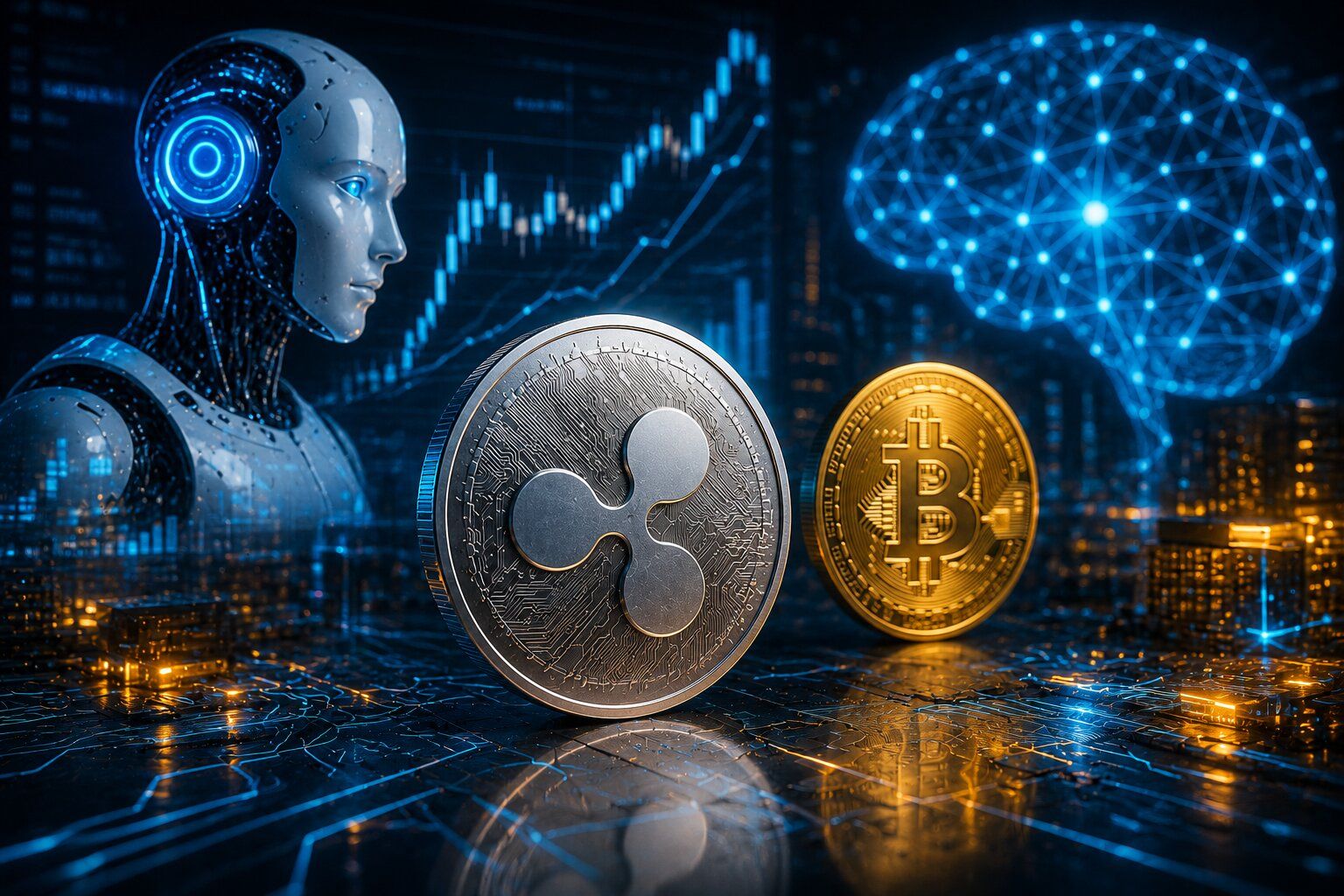
On the other end, Bittensor (TAO) emerges as a candidate worth monitoring, especially with its unique intersection of AI and blockchain. The commitment to a maximum supply of 21 million coins mirrors Bitcoin’s scarcity, creating an appealing proposition for investors. As AI continues to grow in relevance within technology, Bittensor’s niche positioning may grant it leverage in a potentially exploding market segment.
Macroeconomic Influences and Flow of Funds
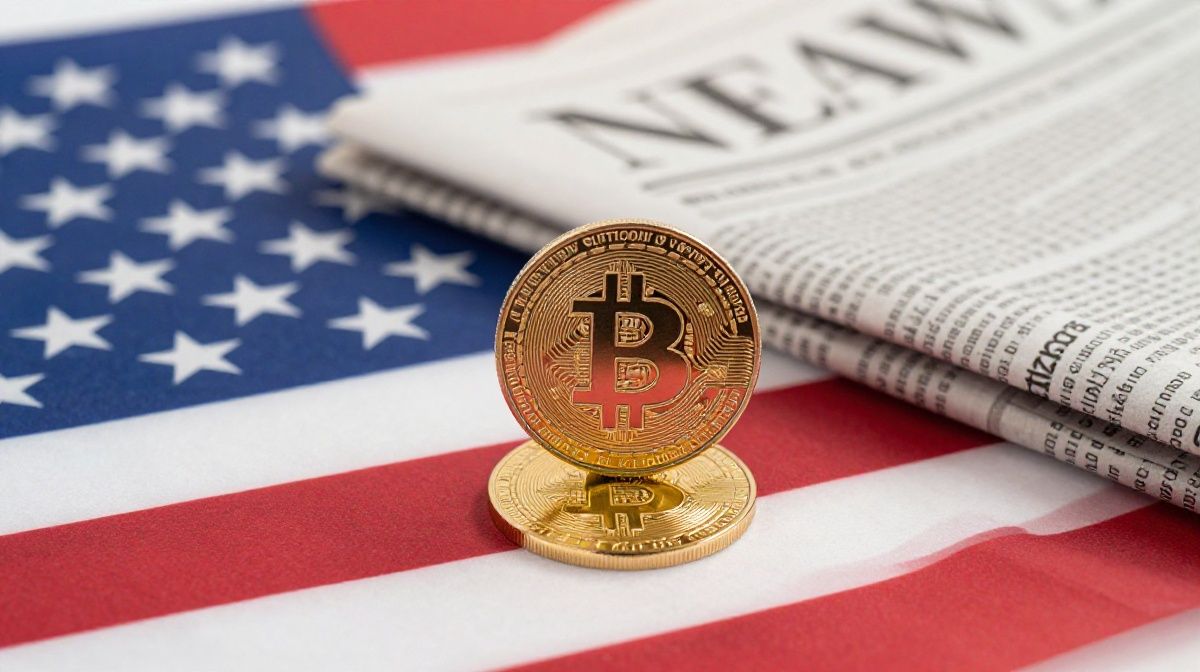
A key macro view comes from the U.S. government’s Strategic Bitcoin Reserve initiative, indicating potential mainstream acceptance of Bitcoin as a “strategic asset.” This could drastically change the dynamics of Bitcoin’s price movement, especially if nations follow suit with similar reserves. We are entering a new paradigm where Bitcoin could be treated comparably to gold.
Furthermore, with rising global inflation, there is growing acceptance of crypto as a hedge against traditional market instability. Investors are increasingly exploring digital assets as a diversification strategy against fiat depreciation.
Trading Psychology: The Underpinning of Investor Sentiment
The narrative surrounding Bitcoin and Ethereum is both an asset-driven sentiment and a psychological one. With recent downturns, many investors are exhibiting caution, perhaps missing potential recovery stimuli. This mindset needs to shift toward proactive engagement as opportunities emerge at promising technical levels.
Moreover, the allure of AI coins like Bittensor brings an additional layer of cognitive dissonance: Are investors in too speculative ventures or are they aligning with a transformative technological advancement?
The psychological barrier remains compelling; sentiments shift quickly when confidence returns to the market.
Does Time Really Matter?
In trading, every second counts, but the broader perspective holds just as much weight. The investment landscape of 2026 is dictated by decisions made today. A long-term perspective often yields higher rewards than chasing short-term gains.
Current market positions reveal that sophisticated investors leverage timing to enter or exit, but they do so within the context of an understood framework—one that includes comprehensive risk management, proper asset allocation between sound assets (like BTC and ETH) and speculative ventures (like TAO).
Actionable Takeaways and Forward-Looking Questions
- For Bitcoin and Ethereum: Look for key resistance levels; consider entering positions upon confirmed breakout beyond resistance.
- For Bittensor (TAO): Keep an eye on broader AI integration within financial services, balancing risk with potential high-reward opportunities.
- Market Psychology: Monitor sentiment trends—be ready to pivot based on shifts in institutional vs. retail investor activity.
Ongoing Questions to Watch:
- How will macroeconomic conditions impact crypto adoption rates?
- What innovations from emerging protocols could redefine sectors of finance?
- Are we approaching a liquidity crisis or a liquidity boom in crypto markets?
Navigating into 2026, crypto investors must balance caution with opportunity, staying attuned to evolving narratives and market dynamics. The established players like BTC and ETH serve as vital indicators, but remaining open to and informed about disruptive technologies and emerging narratives is crucial for long-term success.
Disclaimer for Uncirculars, with a Touch of Personality:
While we love diving into the exciting world of crypto here at Uncirculars, remember that this post, and all our content, is purely for your information and exploration. Think of it as your crypto compass, pointing you in the right direction to do your own research and make informed decisions.
No legal, tax, investment, or financial advice should be inferred from these pixels. We’re not fortune tellers or stockbrokers, just passionate crypto enthusiasts sharing our knowledge.
And just like that rollercoaster ride in your favorite DeFi protocol, past performance isn’t a guarantee of future thrills. The value of crypto assets can be as unpredictable as a moon landing, so buckle up and do your due diligence before taking the plunge.
Ultimately, any crypto adventure you embark on is yours alone. We’re just happy to be your crypto companion, cheering you on from the sidelines (and maybe sharing some snacks along the way). So research, explore, and remember, with a little knowledge and a lot of curiosity, you can navigate the crypto cosmos like a pro!
UnCirculars – Cutting through the noise, delivering unbiased crypto news