
Tether launched MiningOS, an open source operating system for Bitcoin mining, on February 2, 2026. The stablecoin issuer unveiled the software at the Plan ₿ Forum in San Salvador.
MiningOS, also called MOS, provides a modular platform for managing mining hardware, energy consumption and site infrastructure. The system operates on a peer-to-peer architecture that eliminates centralized servers.
The software scales from small home setups to industrial operations with hundreds of thousands of machines. Tether released MOS under the Apache 2.0 license, which allows free use and modification.
Bitcoin mining traditionally relies on proprietary software from a few vendors. Tether’s open source approach aims to reduce dependence on these closed systems and lower entry barriers for new miners.
MOS treats each mining component as a controllable “worker” within a unified operational layer. It replaces fragmented software stacks that manage hardware, power and cooling separately.
Recommended products
Bitcoin Miner BTC V2 NMMiner – Crypto Miner for ESP32 2.8″ Smart Display Development Board, 1010 H/s Hashrate, Desktop Solo Lucky Miner Bitcoin Mining Machine for Educational Use – Yellow
$25.99
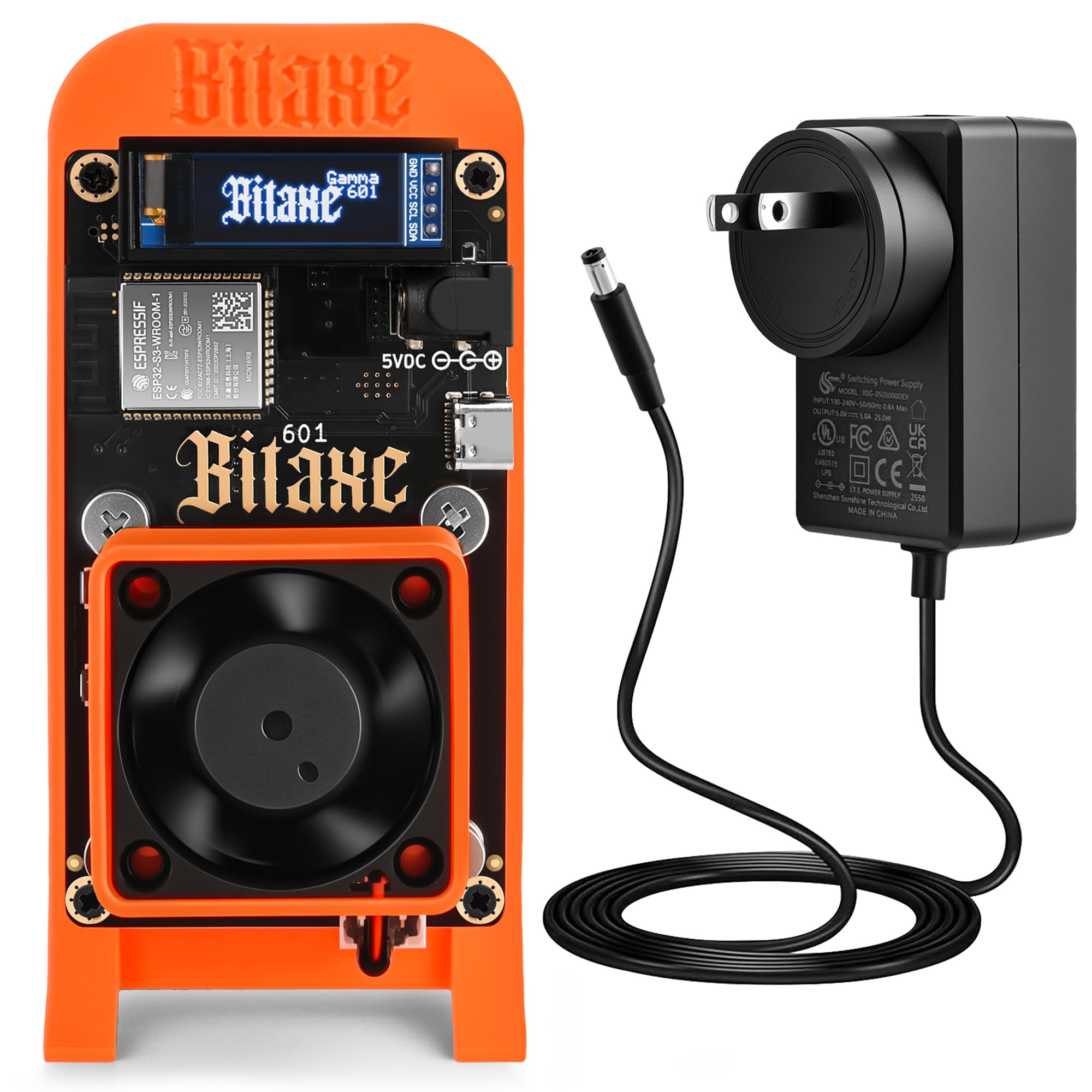
Bitaxe Gamma 601 Bitcoin Miner, Open Source Solo BTC Miner, BM1370 ASIC Chip, 1TH/s – 1.2TH/s SHA-256, 2.4G WiFi, Home Crypto Miner, incl. 5V power supply and stand, AxeOS, Orange
$99.99
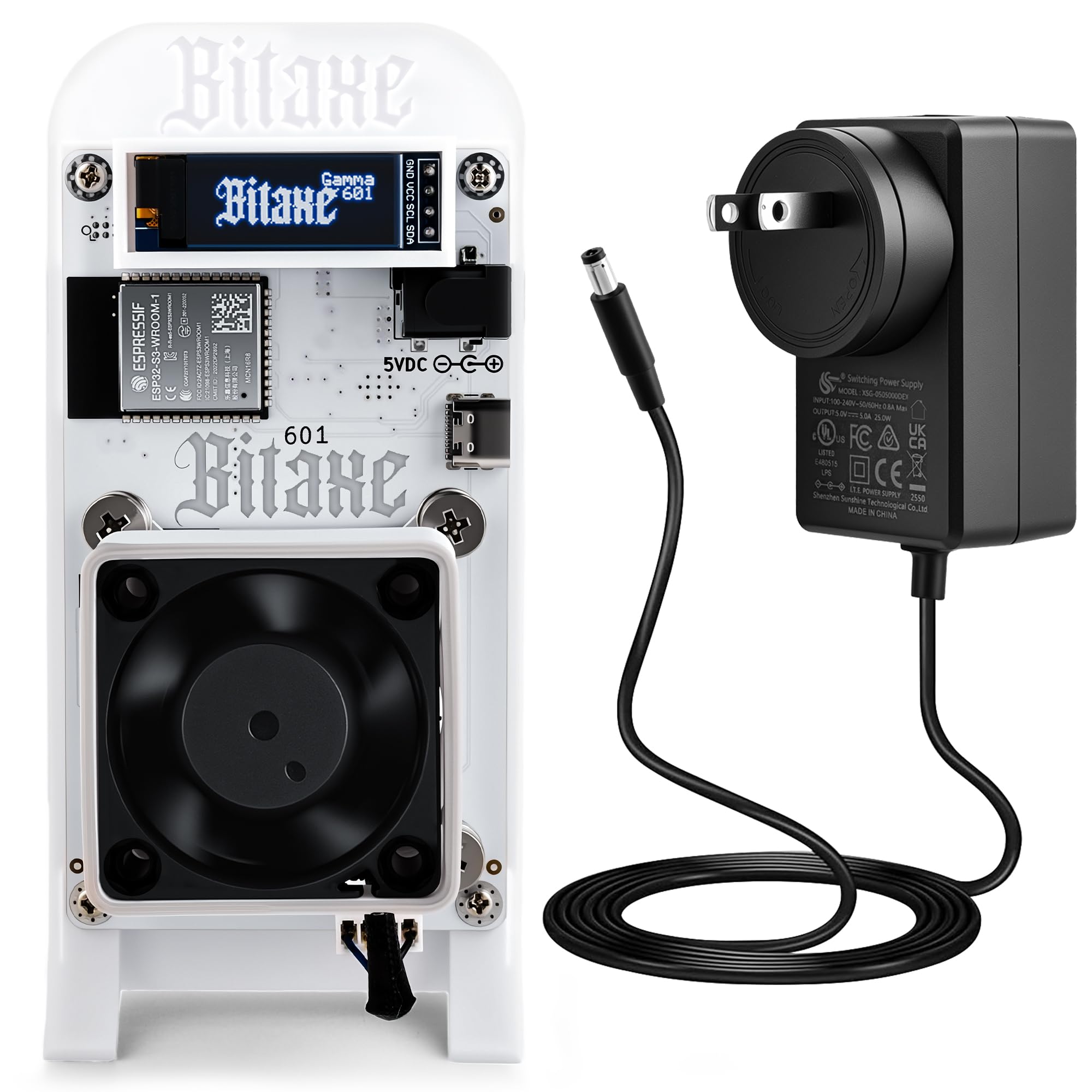
Bitaxe Gamma 601 Bitcoin Miner, Open Source Solo BTC Miner, BM1370 ASIC Chip, 1TH/s – 1.2TH/s SHA-256, 2.4G WiFi, Home Crypto Miner, incl. 5V power supply and stand, AxeOS, white
$109.99
Technobezz is supported by its audience. We may get a commission from retail offers.
The system monitors hashrate performance, device health and energy efficiency through a single dashboard. Operators gain real-time visibility over their entire mine environment.
Tether also announced a mining software development kit with MOS. The SDK provides tools for developers to build custom mining applications without re-creating device integrations.
CEO Paolo Ardoino first previewed the open-source mining operating system in mid-2025. The company has positioned MOS as a challenge to proprietary mining management software that dominates the industry.
MiningOS uses Holepunch peer-to-peer protocols for device communication. This architecture removes reliance on cloud-based control layers and third-party dependencies.
The software supports various mining hardware without vendor lock-in. Operators can deploy MOS across heterogeneous fleets without restructuring existing infrastructure.
Related stories
The launch comes during a period of reduced profitability for Bitcoin miners. Earlier this year, network hashrate dropped below 1,000 exahash per second for the first time since September.
Hash price has fallen to around $35-$40 per petahash per second per day by late 2025. Average cash costs for public miners were estimated to be close to $44 during the same period, as Bitcoin traded below $90,000 at the end of December.
Tether has established a dedicated Discord channel for community development of MiningOS. The company encourages collaboration on future improvements to the platform.
The Mining SDK will be finalized in the coming months in collaboration with the open source community. Tether aims to enable custom tool development while maintaining compatibility with MOS core.
MOS represents Tether’s expansion into Bitcoin mining infrastructure. The company has invested nearly $2 billion in mining and energy ventures in recent years.
Ardoino has stated ambitions to become one of the largest Bitcoin miners worldwide. The open source software release supports this goal while promoting network decentralization.
MiningOS eliminates recurring license fees charged by commercial mining software vendors. This could improve profit margins for smaller operators facing economic pressure.
The software’s modular design allows separate components to link through a shared framework. Each function works as an independent application connected via API layer.
Tether tested MOS at its own mining facilities before public release. The company emphasized on actual validation of the production-ready system.
Operators can adjust performance settings through a companion platform depending on their scale. The flexibility accommodates everything from Raspberry Pi setups to multi-site industrial deployments.
The peer-to-peer approach provides resilience against single points of failure. Devices communicate directly without centralized services that can experience outages.
Tether’s move into mining software adds to its growing digital asset ecosystem footprint. The company continues to diversify beyond its core USDT stablecoin business.
MOS availability signals a shift to open infrastructure in Bitcoin mining. The release challenges established proprietary systems that have governed the industry for years.
Developers can access MiningOS source code on GitHub under Apache 2.0 terms. Documentation provides implementation guidance for operators of all sizes.
The software’s hardware-agnostic design supports popular mining machines from multiple vendors. This contrasts with solutions that are tied to specific manufacturer ecosystems.
Tether’s Bitcoin reserves closely connect the company to mining economics. The firm started allocating profits to Bitcoin purchases from 2023.
Network hashrate dropped to 870 exahash per second after winter storms and reduced profitability. Difficulty adjustments provided temporary margin relief for remaining miners.
MiningOS represents Tether’s strategic push into Bitcoin infrastructure layers. The company positions itself as both a major container and infrastructure provider in the ecosystem.
The open source release could accelerate collaboration on mining management tools. Community development can produce alternatives to vendor-controlled software stacks.
Tether characterizes MOS as “the sovereign operating system for Bitcoin mining.”
The description emphasizes independence of proprietary systems and centralized control.
Operators worldwide can now deploy MiningOS without licensing restrictions. The software’s availability under permissive open source terms enables broad adoption.
February 2, 2026 was Tether’s official entry into Bitcoin mining infrastructure. The MiningOS launch establishes the company as a direct competitor to established real estate software providers.
Disclaimer for Uncirculars, with a Touch of Personality:
While we love diving into the exciting world of crypto here at Uncirculars, remember that this post, and all our content, is purely for your information and exploration. Think of it as your crypto compass, pointing you in the right direction to do your own research and make informed decisions.
No legal, tax, investment, or financial advice should be inferred from these pixels. We’re not fortune tellers or stockbrokers, just passionate crypto enthusiasts sharing our knowledge.
And just like that rollercoaster ride in your favorite DeFi protocol, past performance isn’t a guarantee of future thrills. The value of crypto assets can be as unpredictable as a moon landing, so buckle up and do your due diligence before taking the plunge.
Ultimately, any crypto adventure you embark on is yours alone. We’re just happy to be your crypto companion, cheering you on from the sidelines (and maybe sharing some snacks along the way). So research, explore, and remember, with a little knowledge and a lot of curiosity, you can navigate the crypto cosmos like a pro!
UnCirculars – Cutting through the noise, delivering unbiased crypto news